Handling waste is part of many construction, demolition, and cleanup projects, but not all waste is the same. Some materials pose serious risks to human health, the environment, and surrounding communities if they are not managed properly. This is where a hazardous waste license becomes critically important.
Whether a project involves demolition, hauling debris, general cleanup, or site preparation, understanding why a hazardous waste license matters can help property owners, contractors, and businesses make safer and more responsible decisions.
What is a hazardous waste license?
A hazardous waste license is an official authorization that allows a company or contractor to legally handle, transport, manage, or dispose of hazardous materials. These licenses are regulated by federal, state, and local agencies to ensure waste is managed safely and responsibly.
Hazardous waste can include materials such as:
- Asbestos
- Lead-based materials
- Contaminated soil
- Chemicals and solvents
- Industrial byproducts
- Certain construction and demolition debris
Without a valid hazardous waste license, handling these materials can be illegal and extremely dangerous.
Why hazardous waste requires special handling
Hazardous waste is regulated because of the risks it poses. Improper handling can lead to:
- Soil and groundwater contamination
- Air pollution
- Serious health issues
- Long-term environmental damage
- Legal penalties and fines
A hazardous waste license ensures that companies handling these materials follow strict guidelines for containment, transportation, and disposal.
The role of a hazardous waste license in demolition projects
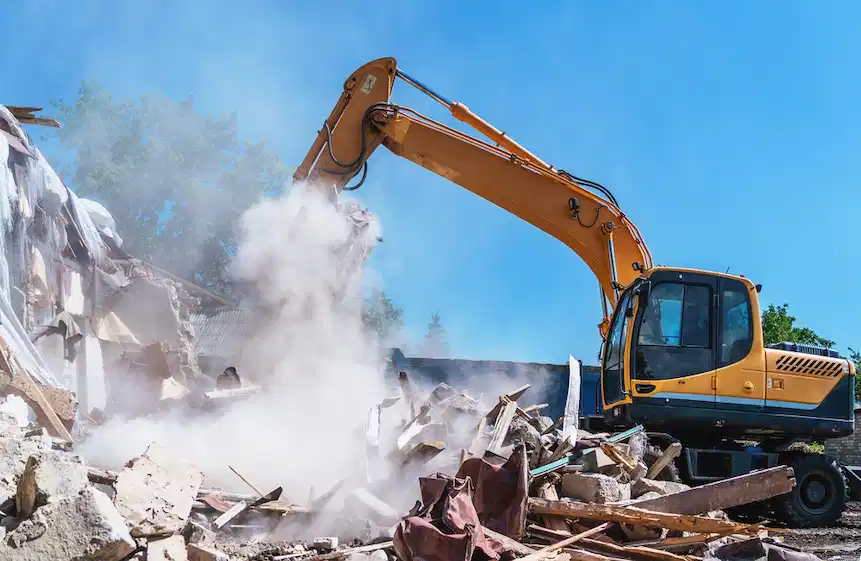
Demolition projects often involve more than tearing down structures. Older buildings, industrial sites, and commercial properties frequently contain hazardous materials that require special care.
During demolition, materials such as asbestos insulation, lead paint, or contaminated debris may be exposed. A hazardous waste license ensures these materials are:
- Properly identified
- Safely removed
- Transported in approved containers
- Disposed of at authorized facilities
This level of compliance protects workers, nearby residents, and the environment.
What clients often don’t see during a demolition
From the outside, a demolition project may look straightforward. But behind the scenes, certain materials can trigger additional requirements that affect how debris is handled, transported, and disposed of. These details matter because they influence how smoothly a project moves forward.
When the team performing the work holds a hazardous waste license, regulated materials can be addressed without shifting responsibility back to the property owner. This helps avoid unexpected delays, added coordination, or last-minute changes to the scope of work. It also ensures waste is managed correctly from the start, reducing the risk of complications later in the process.
How licensing affects liability and unexpected costs
When hazardous materials are not handled under the proper authorization, the consequences don’t always stop with the work itself. In some cases, responsibility can extend to the property owner, especially if waste is mishandled or disposed of incorrectly.
Working with a team that holds a hazardous waste license helps reduce the risk of unexpected costs, corrective actions, or legal follow-ups after a project is completed. It creates a clear framework for how regulated materials are managed, helping protect property owners from issues that may surface long after debris has been removed.

Environmental responsibility and community safety
One of the most important reasons for holding a hazardous waste license is environmental protection. Hazardous materials that are improperly disposed of can affect entire communities for years.
Licensed waste handling helps:
- Prevent contamination of land and water
- Reduce exposure to harmful substances
- Protect ecosystems and wildlife
- Promote sustainable construction and demolition practices
Responsible waste management is a shared obligation, and a hazardous waste license is a key part of fulfilling that responsibility.
Hazardous waste and hauling services
Hauling waste is not just about moving debris from one place to another. When hazardous materials are involved, specialized handling is required.
Companies with a hazardous waste license follow protocols such as:
- Secure containment
- Approved transportation methods
- Proper labeling and documentation
- Disposal at certified facilities
This ensures hazardous materials are not released into the environment during transport.
General cleanup projects and hazardous waste
General cleanup projects, whether residential, commercial, or industrial, can also involve hazardous waste. Items such as old chemicals, contaminated materials, or industrial debris require careful management.
A hazardous waste license allows cleanup professionals to safely remove and dispose of these materials without putting people or property at risk.
Dumpster rental and hazardous materials
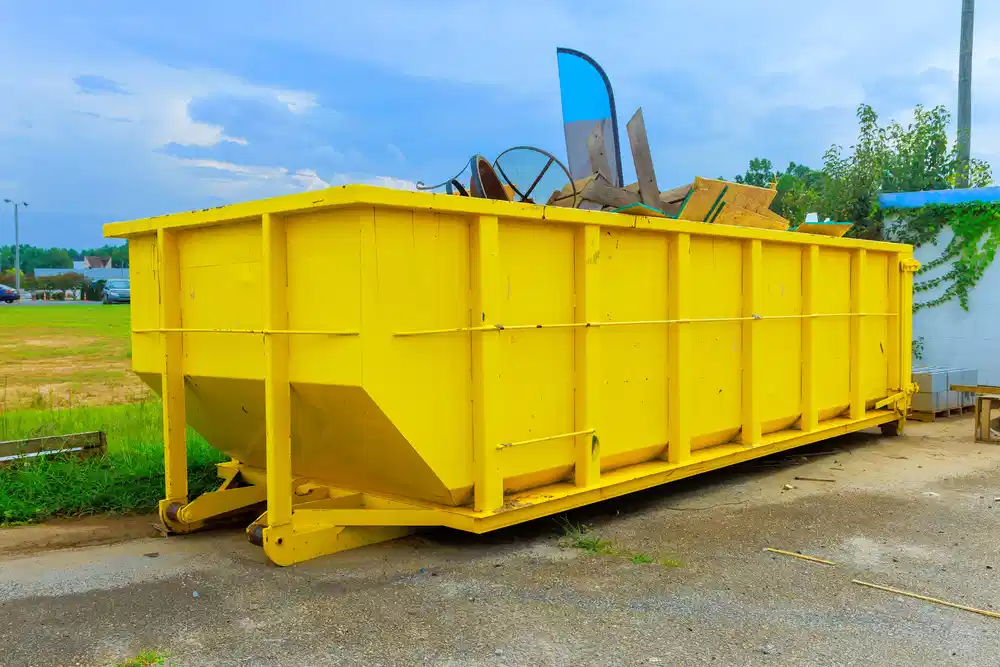
Dumpster rental is convenient for many projects, but not all materials can be placed in standard dumpsters. Hazardous waste often requires separate handling.
Understanding the importance of a hazardous waste license helps customers avoid improper disposal, which can lead to fines or environmental harm. Licensed providers guide clients on what materials require special handling and alternative disposal solutions.
How a hazardous waste license protects workers
Worker safety is another major reason a hazardous waste license is essential. Exposure to hazardous materials can cause:
- Respiratory problems
- Skin irritation or burns
- Long-term health conditions
- Serious injuries
Licensed professionals are trained to use protective equipment, follow safety procedures, and minimize exposure risks.
Compliance with local and federal regulations
Waste management regulations vary by location, but compliance is mandatory everywhere. A hazardous waste license confirms that a company understands and follows these rules.
This includes:
- Environmental protection standards
- Transportation regulations
- Documentation and reporting requirements
- Proper disposal methods
Compliance reduces risk and ensures projects move forward without regulatory issues.
Choosing the right contractor for hazardous waste projects
When selecting a demolition or cleanup contractor, verifying licensing is essential. A company with a valid hazardous waste license demonstrates:
- Professional accountability
- Regulatory compliance
- Commitment to safety
- Environmental responsibility
This is especially important for complex projects involving demolition, hauling, or site cleanup.
Why licensing matters for long-term project success
Projects that involve hazardous waste are not just about immediate results. Improper handling can lead to long-term consequences that surface years later.
A hazardous waste license ensures:
- Proper documentation
- Traceable disposal
- Reduced liability
- Peace of mind
Licensed handling supports project success from start to finish.
The bigger picture: Safety, responsibility, and trust
Ultimately, a hazardous waste license is about trust. It signals that a company is qualified, responsible, and committed to doing the job correctly.
In demolition, hauling, general cleanup, and waste removal, licensing is not just a requirement, it is a reflection of professionalism and care for the community.
Why a hazardous waste license should never be overlooked
A hazardous waste license plays a vital role in protecting people, property, and the surrounding environment. In projects that involve demolition, hauling, or large-scale cleanup, materials are not always limited to standard debris. Some sites contain regulated waste that must be handled with added care and proper authorization.
For clients seeking a demolition service San Diego, working with a team that is licensed to manage hazardous materials adds an important layer of protection. At Buendia Demolition & Bobcat Service, demolition and debris removal are handled with an understanding of how regulated materials affect project flow, disposal methods, and overall responsibility. This approach helps ensure that demolition, cleanup, and waste removal are completed safely, efficiently, and without unnecessary risk to the property owner.