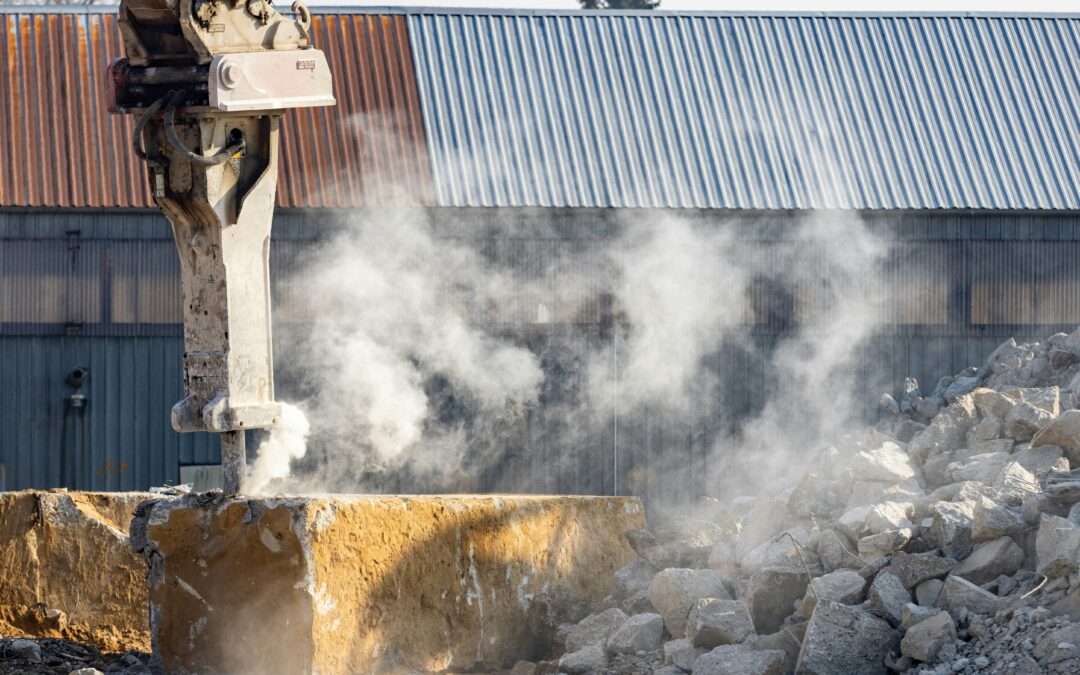
When planning a construction project, most of the attention goes to design details and structural integrity. Yet one essential aspect often overlooked, or misunderstood, is construction waste management. Misconceptions about proper disposal can lead to unnecessary delays, inflated costs, and avoidable environmental impact. Clearing up these myths is key to running a smoother, more responsible project from start to finish.
Looking beyond the build
Every construction site generates debris, concrete, wood, metals, drywall, plastics, and more. Managing these materials properly is not just about hauling them away once the job is done. It involves sorting, recycling, repurposing, and disposing of waste in ways that align with local regulations and environmental standards.
When handled strategically, construction waste can often be diverted from landfills, reducing environmental impact while improving overall project efficiency. Understanding what qualifies as construction waste, and the options available for managing it, helps teams make smarter decisions at every stage of the build.
Clearing up costly assumptions
Many challenges in construction waste disposal stem from outdated assumptions or incomplete information. These misunderstandings can result in higher hauling expenses, missed recycling opportunities, compliance issues, and unnecessary strain on resources.
By rethinking common beliefs and adopting informed waste management practices, construction professionals can reduce costs, streamline operations, and support more sustainable building practices. Let’s take a closer look at some of the most common myths that continue to shape how construction waste is handled.
Common misconceptions
Misconception 1: All construction waste is the same
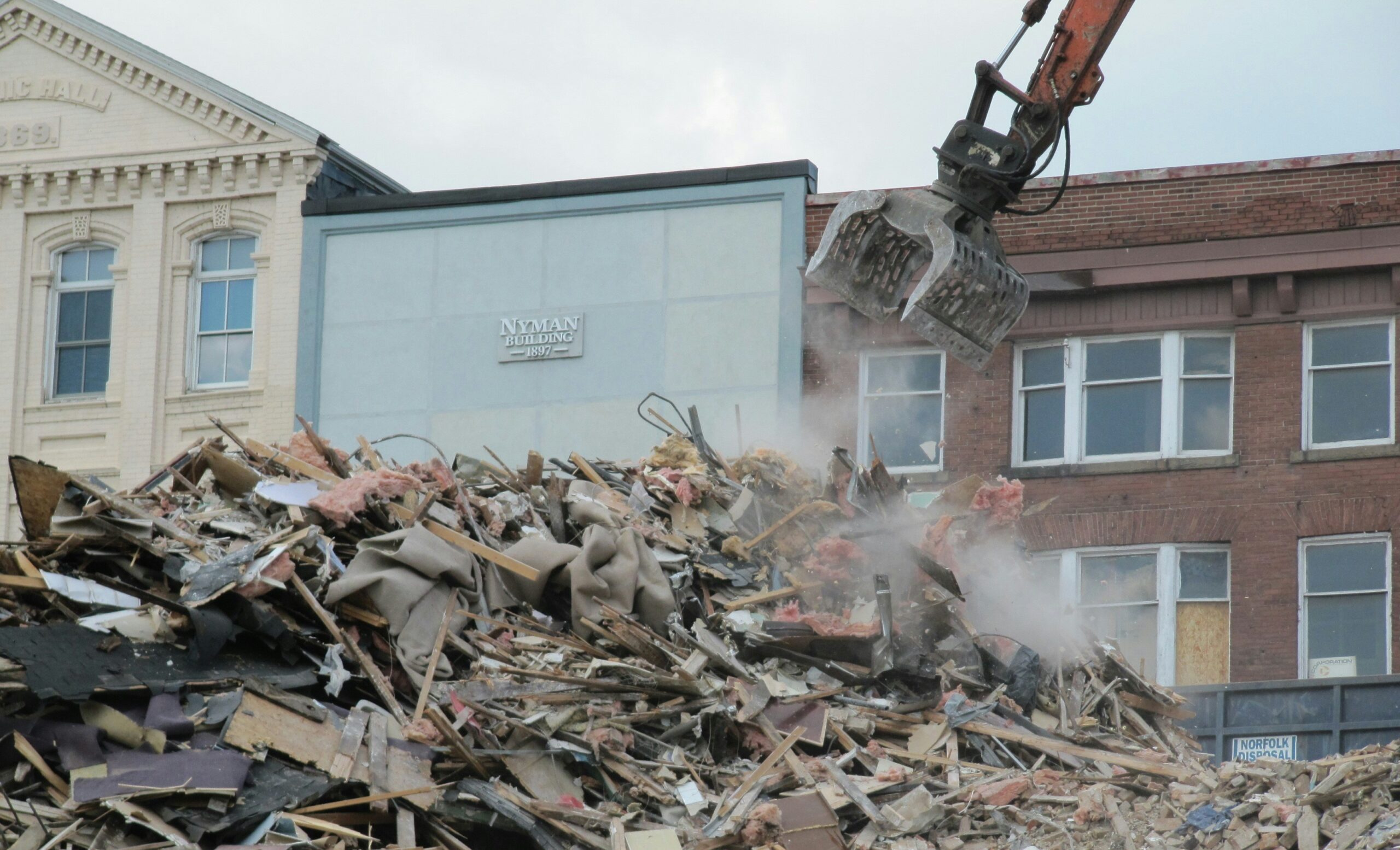
Many assume that all construction waste is similar and can be disposed of in the same manner. This couldn’t be further from the truth. Construction waste consists of various materials, including:
- Concrete and masonry
- Wood and lumber
- Metals
- Plastics and insulation
- Hazardous waste (e.g., asbestos, lead paint)
Understanding the different types of construction waste is crucial because the category of waste significantly affects disposal methods. For instance, hazardous materials require specific handling and disposal procedures to comply with local regulations. Ignoring these distinctions can lead to legal issues and environmental damage.
Misconception 2: The real cost of poor waste planning
A common misconception is that construction waste disposal is always a minor line item in the project budget. In reality, costs can quickly escalate when waste management isn’t properly planned or handled efficiently.
Many factors influence the total expense of construction debris removal:
- Transportation logistics: Moving materials to the appropriate landfill or recycling facility requires coordination, equipment, and fuel.
- Disposal requirements: Fees vary depending on material type, weight, and local regulations.
- Material handling: Sorting and separating debris properly can impact both compliance and overall efficiency.
However, when construction waste disposal is managed strategically, it becomes a cost-control tool rather than a financial burden. Organized hauling, proper material separation, and recycling efforts can significantly reduce landfill fees and prevent unexpected charges.
Working with a professional waste disposal service ensures that materials are handled efficiently, regulations are met, and unnecessary expenses are avoided, helping your project stay on budget while supporting responsible building practices.
Misconception 3: You can just dump construction waste anywhere
A common misconception is that construction waste can be dumped anywhere, similar to a regular trash disposal site. However, dumping waste illegally can lead to severe repercussions. Legal regulations surround the disposal of construction waste, which are enforced to protect public health and the environment. Failure to comply with these regulations can result in hefty fines and potential legal action.
Furthermore, illegal dumping poses serious environmental risks. It can contaminate soil and water supplies, harm local ecosystems, and create health hazards for surrounding communities. It is essential to prioritize legal and proper disposal methods to uphold environmental responsibility.
Misconception 4: Recycling construction waste is unfeasible
Some people believe that recycling construction waste is too difficult or impractical. However, numerous recycling programs and facilities exist that can efficiently process various construction materials. The feasibility of recycling programs is not merely theoretical; successful examples underline the effectiveness of construction waste recycling across the country.
For example, companies are increasingly adopting innovative recycling techniques to reclaim materials, reducing their reliance on virgin resources. This trend highlights the growing recognition that recycling is a viable option for responsible construction waste disposal.
Benefits of construction waste disposal
Effective construction waste disposal is not only essential for project completion but also provides significant environmental and economic benefits.
Environmental benefits
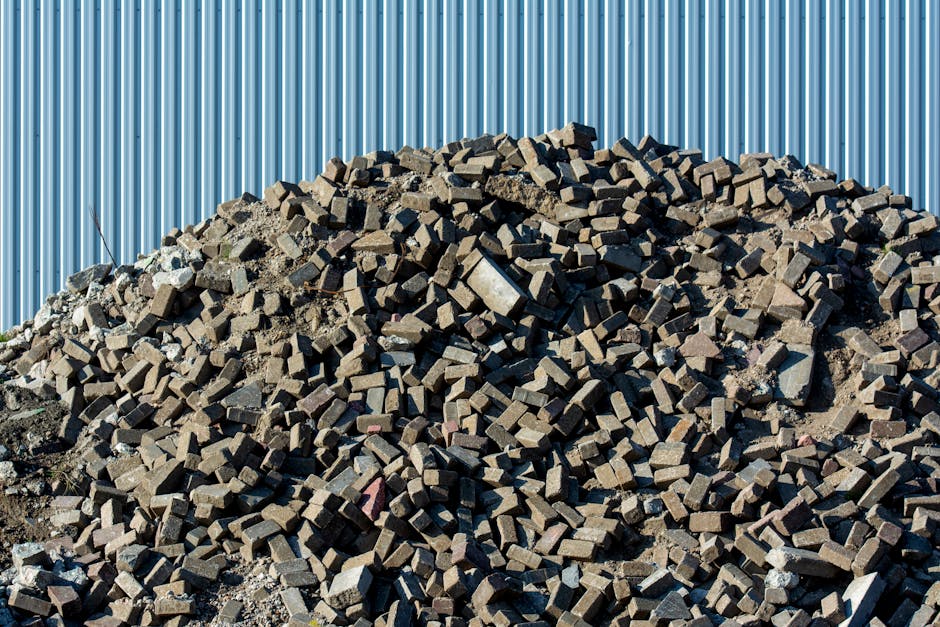
- Reducing landfill use: Efficient waste disposal methods help divert substantial amounts of debris away from landfills, minimizing waste accumulation.
- Conserving natural resources: By recycling and reusing materials, you save raw materials and energy, promoting a more sustainable approach to construction.
Economic benefits
- Cost-effectiveness of proper disposal: Although initial costs may seem daunting, the long-term savings from reducing disposal fees and optimizing resource use is often more substantial.
- Economic opportunities in recycling: Engaging in construction waste recycling can open new markets and job opportunities, fostering local economies.
Best practices for effective construction waste disposal
Practicing effective construction waste disposal begins with proper planning and execution. Here are some best practices to consider:
Planning for waste management
- Waste audits and assessments: Conduct thorough audits before starting construction to identify how much waste your project may generate. This will aid in developing a tailored waste management plan.
- Developing a waste management plan: Clearly outline strategies for minimizing waste generation and maximizing resource recovery.
Choosing the right disposal methods
- Options for disposal and recycling: Explore various disposal options, such as donating usable materials or utilizing recycling facilities. Different methods may suit different types of waste better.
- Working with certified waste management companies: Partnering with professionals, like a demolition service in San Diego, can simplify the waste management process and ensure compliance with local regulations.
Building smarter through responsible waste management
Understanding the realities of construction waste disposal allows contractors, developers, and project managers to make more informed decisions. When common misconceptions are replaced with accurate information and strategic planning, waste management becomes an advantage rather than an afterthought.
Prioritizing responsible disposal practices improves operational efficiency, helps control costs, and supports environmentally conscious construction standards. A well-organized approach to construction waste disposal can significantly reduce landfill impact while keeping projects on schedule.
At Buendia Demolition, construction waste disposal is handled with efficiency, compliance, and sustainability in mind. By partnering with an experienced team, you ensure that materials are managed properly, regulations are met, and your project benefits from streamlined, professional service.
With the right approach to construction waste disposal, what was once seen as a logistical challenge becomes a strategic asset for smarter, more responsible building.