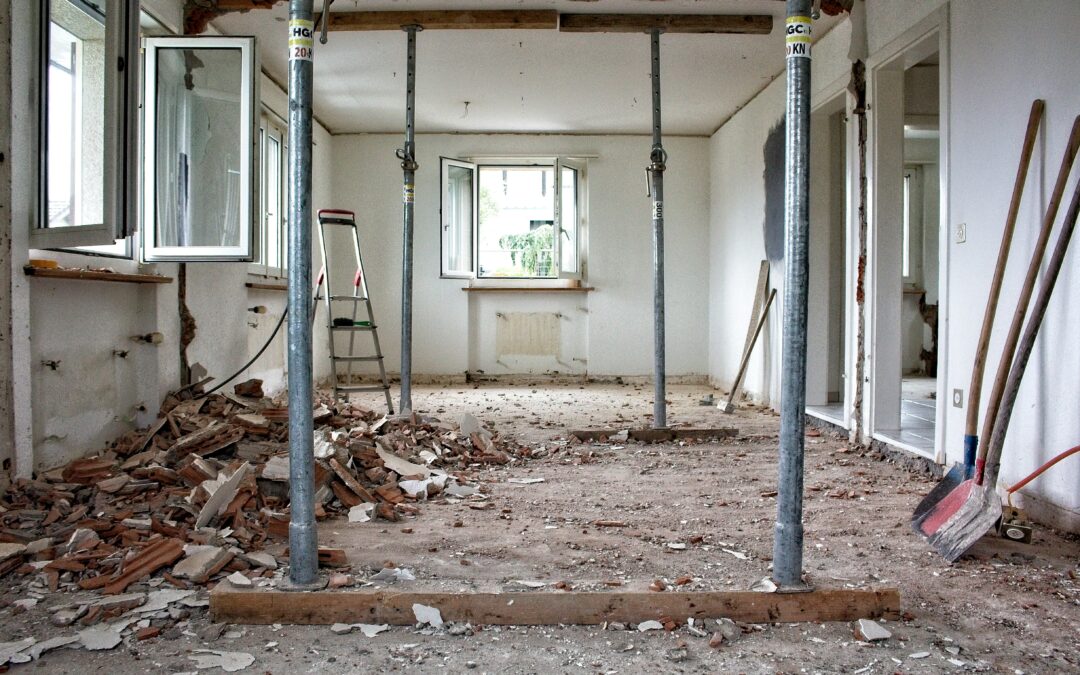
Preparing a property for demolition requires careful planning and attention to detail. From evaluating the structure to securing permits and ensuring site safety, the right steps can make the entire process more efficient and controlled, whether you’re removing part of a building or an entire structure.
Why proper preparation is crucial
Preparation sets the tone for the entire demolition process. Without thorough planning and execution of the necessary preliminary steps, you risk encountering a myriad of issues that could delay your project or lead to increased costs.
Avoiding legal issues
One of the primary reasons for meticulous preparation is to avoid any legal issues. Many municipal regulations dictate how a demolition project should be carried out, including safety protocols and environmental regulations. Failure to adhere to these can lead to fines, project delays, and even legal action.
Ensuring safety and compliance
Another critical aspect of preparation is safety. The demolition site poses various risks, from hazardous materials to structural instability. By conducting a comprehensive assessment and ensuring compliance with safety regulations, you protect yourself, your workers, and those nearby.
Overview of the demolition process
Key phases of a demolition
A typical demolition process involves several key phases: assessment, planning, execution, and cleanup. Understanding these phases will help you navigate the entire process and ensure that you have covered all your bases.
Common challenges faced
Each demolition project comes with its unique set of challenges, from unexpected environmental hazards to complexities surrounding permits. Anticipating these challenges can help you strategically prepare and find solutions before they become pressing issues.
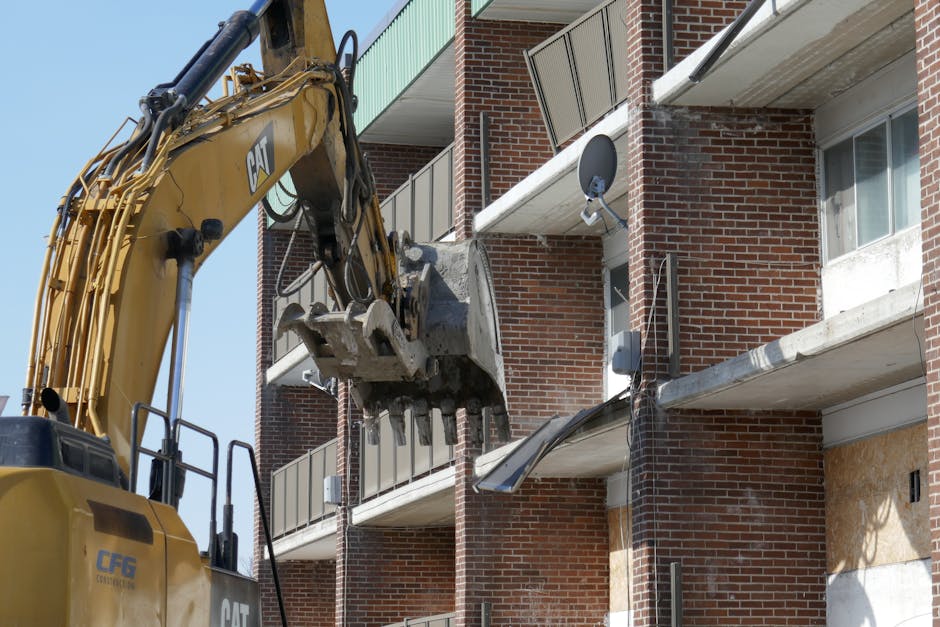
Steps to take before the demolition project begins
Conducting a thorough property assessment
Before the hammer swings, a thorough property assessment must be conducted. This involves an inspection of the property to identify any potential challenges.
Identifying hazardous materials
An essential part of your assessment is identifying hazardous materials, such as asbestos or lead paint. Regulations often require special handling and disposal methods for these substances, which can significantly influence the project timeline and costs.
Evaluating structural integrity
Next, evaluate the structural integrity of the building you plan to demolish. Understanding weak points and structural issues can help in planning an effective demolition strategy that minimizes risk.
Obtaining necessary permits
With a solid assessment in hand, it's time to focus on the legalities. Securing the necessary permits is crucial for a smooth demolition project.
Types of permits required
Depending on your location and the specifics of your demolition project, you may need various permits, such as demolition permits, encroachment permits, or environmental clearances. Check with local authorities to ensure compliance.
The application process
The application process can vary significantly based on your jurisdiction. It's advisable to start this process well ahead of your planned demolition date to avoid any last-minute obstacles.
Setting a budget for your demolition project
A sound budget is an indispensable element of your demolition project planning.
Estimating costs
Estimate the costs associated with labor, equipment, permits, and disposal of materials. Getting multiple quotes can provide you a broader perspective on how to manage your expenses.
Planning for unexpected expenses
Always leave room in your budget for unexpected expenses. These can occur due to unforeseen hazards or changes in project scope, so it’s wise to allocate around 10-20% of your total budget for contingencies.
Preparing the site for demolition
Disconnecting utilities
Before diving into the actual demolition process, ensure all necessary utility services are identified and safely disconnected.
Identifying necessary utility services
Utilities such as gas, electricity, and water must be accounted for, as they pose significant safety risks during demolition. Hiring professionals to assist with disconnecting these services is often a wise investment.
Steps to safely disconnect
To safely disconnect utilities, contact each utility provider for instructions and to schedule service disruptions. They are experienced with these protocols and can help prevent accidents.
Clearing the surrounding area
Once utilities are safely disconnected, the next step is to prepare the area.
Remove obstacles and debris
Before demolition begins, clear the area of any obstacles and debris. This helps streamline the process and reduces risks for workers.
Informing neighbors and community
Communication is key. Informing neighbors and the surrounding community about your demolition project can foster a supportive atmosphere and address any potential concerns before they escalate.
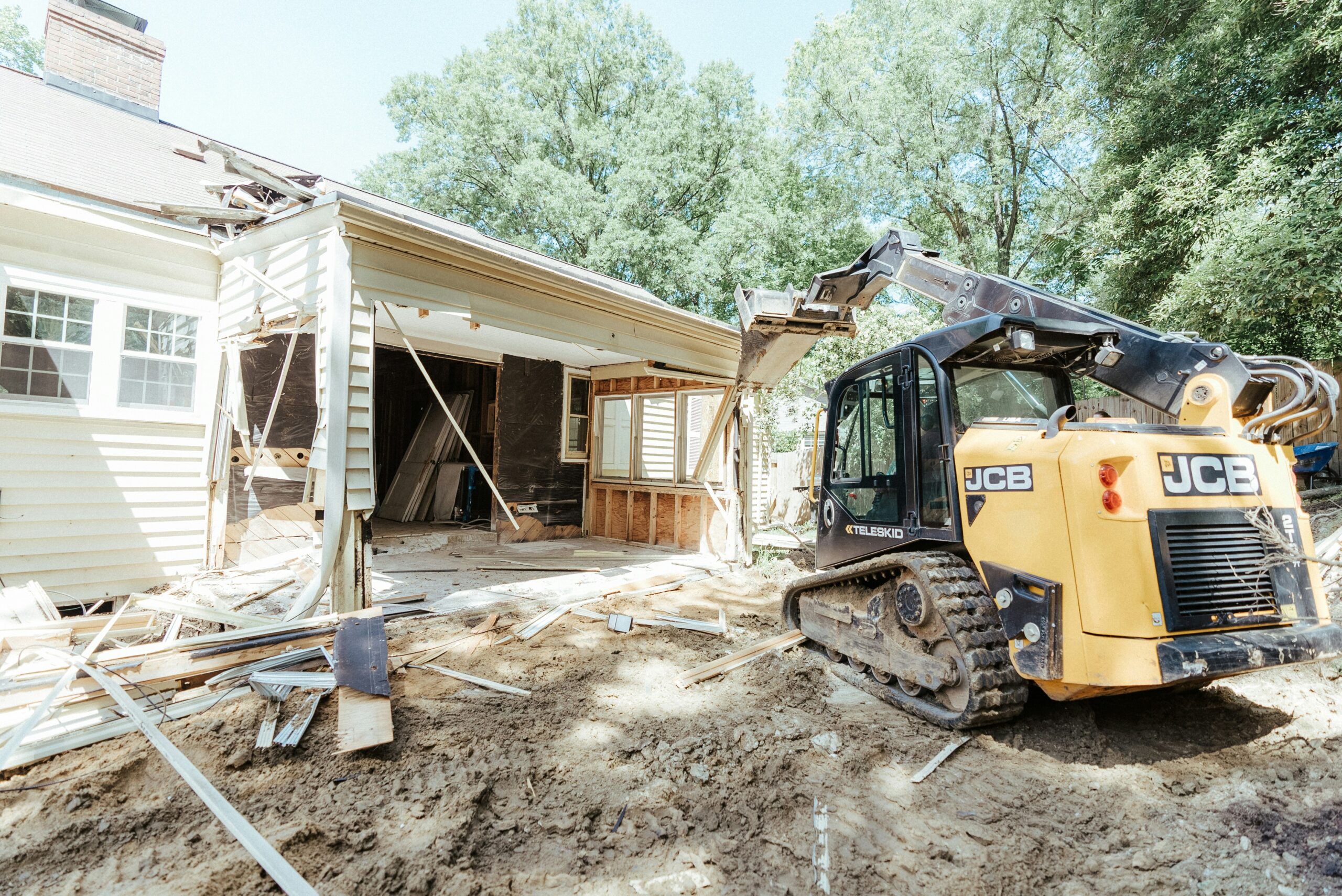
Safety considerations for your demolition project
Personal protective equipment (PPE)
Your safety, along with the safety of your workers and the public, is paramount.
Essential gear for workers
Providing your workers with the proper personal protective equipment, like hard hats, gloves, and eye protection, is critical in minimizing risks and ensuring safety during the demolition project.
Ensuring safety for onlookers
It’s also important to establish a safe perimeter around the demolition site, warning onlookers of potential hazards. This can include constructing barriers and signage to keep people at a safe distance.
Hiring professional demolition services
While you may feel empowered to handle some aspects of your demolition project on your own, enlisting professional services is often the best move.
Benefits of working with experienced demolition contractors
Professional demolition contractors bring the expertise required to manage every stage of the process safely and efficiently. From site evaluation and compliance with local regulations to controlled execution and debris removal, experienced teams minimize risks, prevent delays, and ensure the project is completed to the highest standards.
Tips for selecting the right contractor
When selecting a contractor, look for credentials, experience, and reviews from past clients. A reliable contractor will be familiar with local regulations and can often handle the permitting process for you.
Why Buendia Demolition Is the best choice for demolition services in San Diego
At Buendía Demolition, we provide reliable demolition services in San Diego backed by proven experience, skilled professionals, and a strong commitment to safety and precision. We are fully familiar with local codes and permitting requirements, allowing us to handle projects seamlessly while giving our clients confidence and peace of mind throughout the process.
Post-demolition steps for property owners
Site cleanup and debris removal
Once the demolition project is complete, the cleanup begins. Proper cleanup is not merely a courtesy; it's essential for compliance and future developments.
Importance of proper cleanup
A thorough cleanup will remove hazardous materials and debris, making the site safe for future use. Be diligent about following proper disposal methods to adhere to local regulations.
Recycling and waste management
Consider the environment in your cleanup efforts by recycling materials whenever possible. Many components from demolished buildings can be reused or recycled, reducing waste and your project’s carbon footprint.
Planning for future development
The end of one project opens the door to the next.
Transitioning to new projects
Transitioning to new construction or landscaping requires planning. Having a clear vision of your future goals will guide how to develop the space effectively.
Long-term considerations for property use
Think about the long-term implications of your property use. Factors such as zoning laws and community growth can influence how you move forward with development.
Ready to move forward with your demolition project?
Proper preparation is the foundation of any successful demolition. From evaluating your property and securing permits to implementing critical safety measures, every step taken beforehand helps prevent delays, reduce risks, and keep the project on track.
At Buendía Demolition, we guide you through the entire process with experience, precision, and a clear understanding of local requirements. If you’re planning a demolition project and want reliable demolition services in San Diego, our team is ready to help you move forward with confidence.
Contact Buendía Demolition today to schedule an assessment and take the first step toward a safe, efficient, and professionally managed demolition.