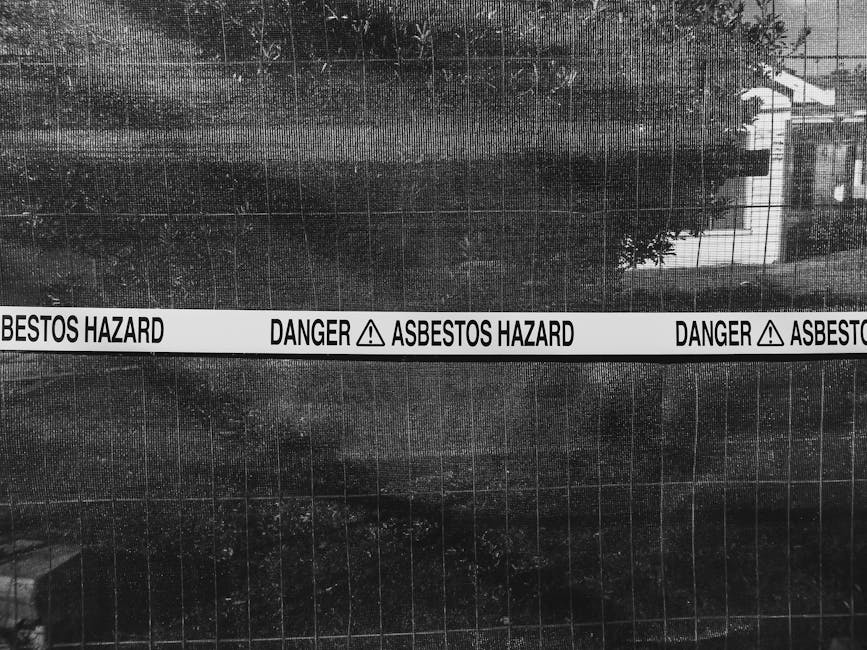
Home renovations can bring excitement, but for houses built before the 1980s, they may also involve hidden risks. One of the most serious concerns is asbestos, a hazardous material commonly found in older building components. Knowing how to address and safely remove asbestos is essential to protecting your health and keeping your renovation on track.
Asbestos and Its risks
What is asbestos?
Asbestos is a group of naturally occurring silicate minerals made up of microscopic fibers. Due to its durability and heat resistance, it was widely used in construction materials. In the realm of home renovations, you might encounter several types of asbestos, each with unique characteristics and applications:
Types of asbestos
There are six recognized types of asbestos, including chrysotile (white asbestos), amosite (brown asbestos), and crocidolite (blue asbestos). Chrysotile is the most common and is often found in roofing materials, insulation, and floor tiles. Amosite and crocidolite, while less common, are found in things like insulation and cement products.
Common uses in homes
Asbestos was commonly used in plumbing insulation, ceiling tiles, flooring, siding, and more. If your home contains products made before the ban on asbestos in the late 1970s, there’s a significant chance that you may find asbestos during your renovation.
Health risks associated with asbestos
The health risks associated with asbestos exposure cannot be overstated.
Short-term effects
Short-term exposure may cause irritation of the eyes, skin, and respiratory system, especially during the removal process. However, it’s the long-term effects that pose a more significant threat.
Long-term health implications
Asbestos exposure is linked to severe health issues, including asbestosis, lung cancer, and mesothelioma. Symptoms may take years to manifest, and given that asbestos fibers can linger in the air and accumulate in your lungs, it is crucial to safely remove asbestos before beginning any renovations.
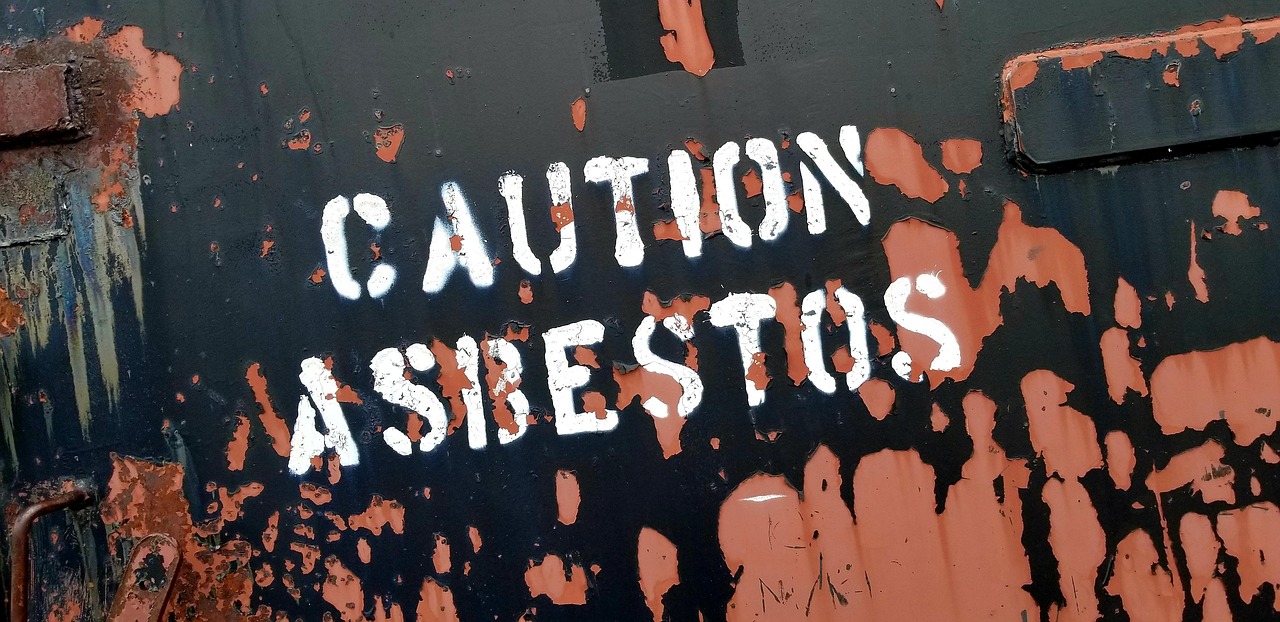
Signs of asbestos in your home
Identifying asbestos-containing materials
Before you can determine how to safely remove asbestos, you need to identify whether it’s present in your home.
Common areas to check
Look in places where asbestos was commonly used, such as basements, attics, and around heating systems. Additionally, check wall materials and older floor coverings that are likely to contain it.
Visual signs and symptoms
Stirred-up asbestos can become airborne, so if you see crumbling or damaged materials, they could release dangerous fibers into the air, requiring immediate attention.
Testing for asbestos
DIY testing kits
While some homeowners may opt for DIY testing kits, it’s essential to approach this with caution. Misdiagnosing any material could lead to exposure.
Professional testing services
The safest and most effective way to confirm the presence of asbestos is by hiring a professional testing service. A reliable company can take accurate samples and deliver results, ensuring that you have the information needed to safely remove asbestos.
The importance of safely remove asbestos
Legal regulations and guidelines
Overview of asbestos regulations
Asbestos regulations are in place to protect you and others from the dangers of asbestos exposure. The Environmental Protection Agency (EPA) outlines strict regulations to follow during removal.
Responsibilities of homeowners
As a homeowner, you are responsible for the safety and health of anyone who comes into contact with your property, including laborers or contractors. Failing to safely remove asbestos may result in legal penalties, not to mention the potential health risks involved.
Benefits of safely remove asbestos
Health safety for yourself and family
Your family's well-being is your top priority. Safely removing this hazardous material significantly reduces health risks. It’s essential to handle the situation correctly to prevent illness from exposure.
Increasing property value
In addition to health benefits, a home free from asbestos can also increase its property value. Potential buyers look for updated, safe living environments, making it crucial for you as a homeowner to address any asbestos concerns.
Preparing for asbestos removal
Assessing the scope of the renovation
Before you start the process of safely removing asbestos, you must assess the scope of your renovation.
Identifying areas needing attention
Determine which areas of your home need renovation and inspect each section for potential asbestos-containing materials. This step is crucial to planning your removal strategy.
Planning the process
Once you identify the areas, create a detailed plan outlining when and how you will address asbestos removal.
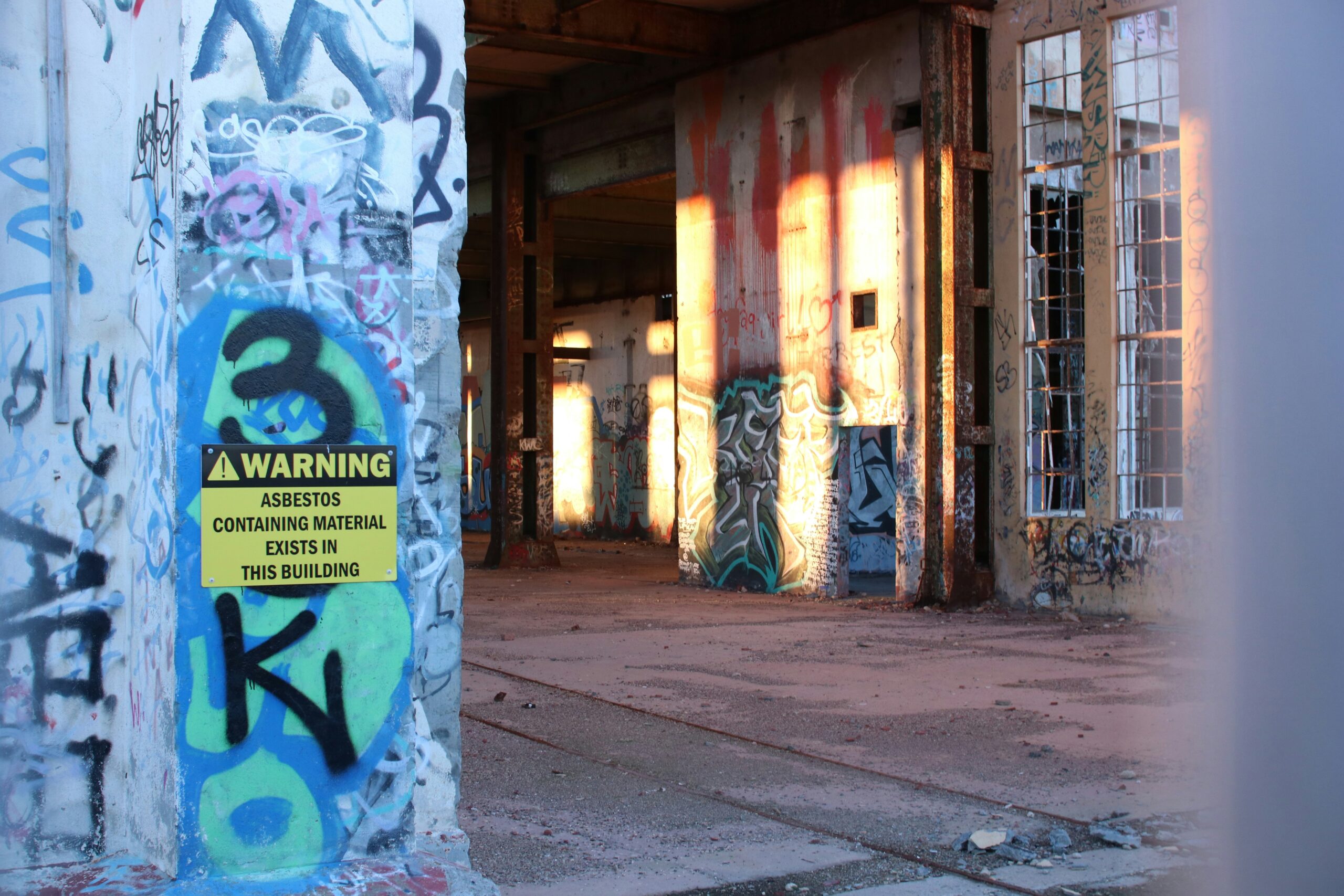
Choosing the right professionals
When to hire an asbestos removal expert
If you discover asbestos, hiring a certified professional is often the best course of action. These experts have the experience and equipment necessary to handle the material safely.
Questions to ask before hiring
When selecting a contractor for asbestos removal, don’t hesitate to ask about their certifications, experience, and protocols for safety. Ensure they have a solid plan in place for how they will safely remove asbestos from your home.
Steps to safely remove asbestos
Protective measures
Necessary safety gear
If you're tackling a small project or overseeing a removal, appropriate personal protective equipment (PPE) is paramount. This includes respirators, gloves, and coveralls to protect against any accidental exposure.
Proper ventilation techniques
During removal, it’s critical to ensure proper ventilation in the work area. This can help minimize asbestos dust and keep the air safer for those in and around the home.
Removal process
Containment procedures
To safely remove asbestos, containment is essential. Sealing off the work area with thick plastic sheeting and negative air pressure can mitigate the spread of asbestos fibers during the removal process.
Disposal of asbestos waste
After you safely remove asbestos, it’s essential to dispose of the waste correctly. Always follow local regulations for hazardous material disposal, as improper handling can lead to serious health risks and legal consequences.
Post-removal considerations
Testing the area after removal
The work doesn’t end once you believe the asbestos has been removed.
Ensuring safety standards
After removal, testing the area for residual asbestos is critical. Surface sampling and air quality testing can help confirm that the area is safe for renovation.
Professional clearance tests
Hiring professionals to conduct clearance tests is often the best choice. They can provide assurance that your space is indeed asbestos-free.
Renovation tips after asbestos removal
Safe practices during renovation
Once you have verified that it is safe to proceed, continue with your renovations by maintaining safe work practices, use proper ventilation, wear PPE, and keep the area clean.
Maintaining asbestos-free environment
Finally, ensure regular inspections of your property to maintain an asbestos-free environment. Being proactive about any renovations, repairs, or maintenance will help keep your home safe for years to come.
Safely removing asbestos before moving forward
Knowing how to safely remove asbestos is a critical step in any home renovation, especially in older properties. While the process can feel overwhelming, proper planning, professional support, and strict safety protocols make it possible to protect your home and everyone inside it. Choosing the right approach to safely remove asbestos helps prevent health risks and costly delays later in the project.
At Buendía Demolition, we offer professional demolition service in San Diego designed to support renovation and redevelopment projects with care and precision. When asbestos or other hazardous materials are involved, these are handled separately and require specialized procedures. We also provide hazardous materials services, and we always recommend speaking with our team directly so we can assess your situation and explain how we can best assist your specific project.
Whether you’re planning a full renovation or preparing a site for demolition, working with experienced professionals ensures the process is handled responsibly, safely, and in full compliance with local regulations.