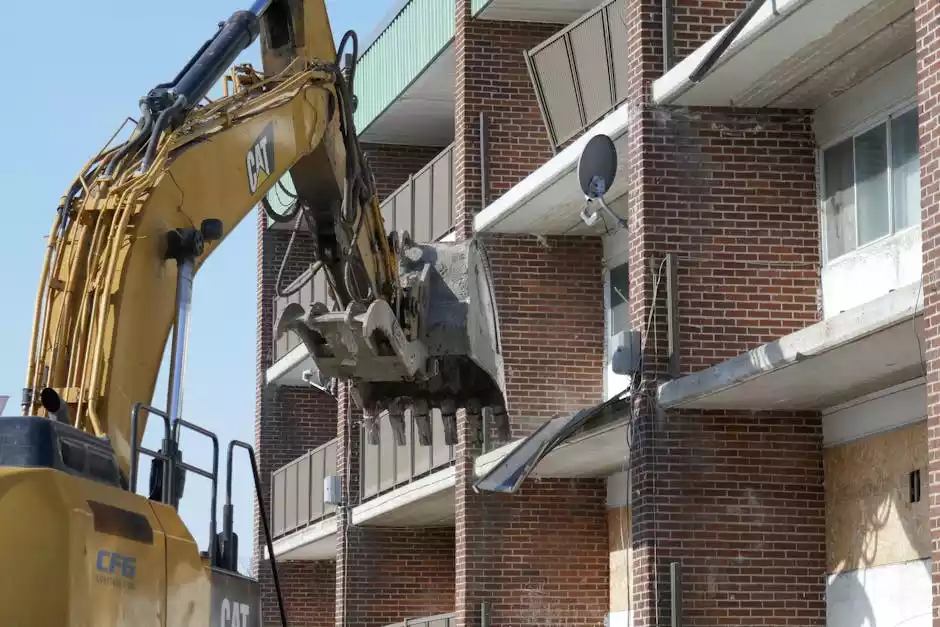
Starting a renovation project often brings a bigger question than design or budget: how much of your current space actually needs to go? Many property owners assume a full teardown is the only way to achieve meaningful change, but that’s not always the case. In many situations, partial demolition offers a smarter, more balanced approach that allows you to upgrade what matters without starting from zero.
Rather than removing an entire structure, this method focuses on selectively taking out specific sections, walls, flooring, fixtures, or outdated layouts, while preserving what still works. That distinction can make a significant difference in cost, timeline, and overall project complexity.
What this approach really means in practice
At its core, partial demolition is about precision. Instead of approaching a renovation with a “remove everything” mindset, it prioritizes identifying what should stay and what needs to change.
This approach is especially valuable in properties with solid structural elements or unique architectural features worth keeping. Whether it’s a home with character or a commercial space with a functional layout, keeping key components intact can reduce unnecessary work while maintaining identity.
In practical terms, it might involve removing interior walls to open up a floor plan, gutting a kitchen while preserving surrounding areas, or stripping down specific sections for modernization.
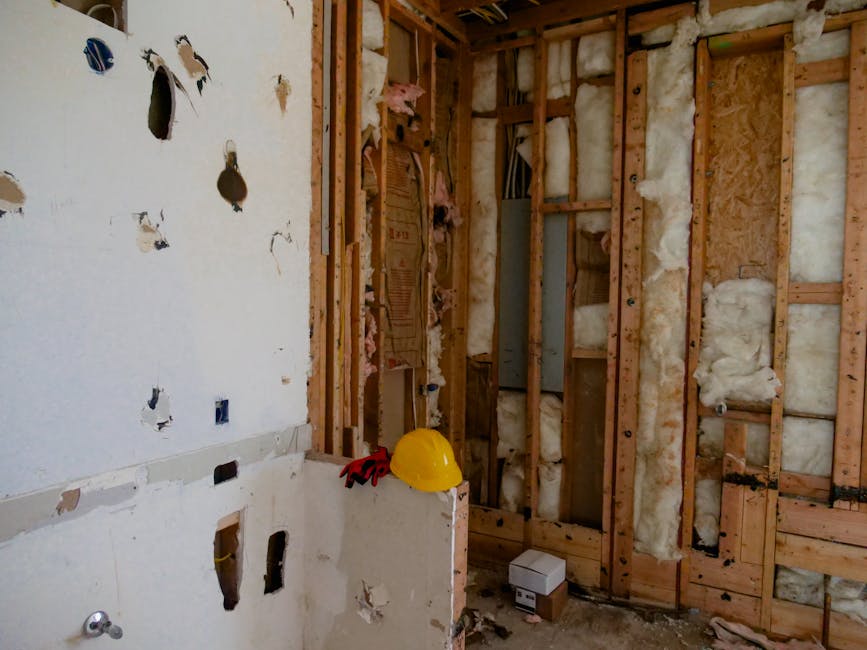
Why many renovations benefit from a more selective approach
There’s a reason partial demolition has become a preferred option for many renovation projects. It strikes a balance between transformation and preservation, allowing for meaningful upgrades without the disruption of a full teardown.
One of the biggest advantages is financial. By limiting the scope of demolition, you reduce labor, disposal, and reconstruction costs. That flexibility allows you to allocate more of your budget toward finishes, materials, or design improvements.
Time is another major factor. Projects that rely on partial demolition typically move faster because they don’t require rebuilding from the ground up. Working within an existing structure eliminates several steps and reduces the likelihood of delays.
Keeping waste low while improving your space
Renovation projects inevitably generate debris, but the scale of that impact varies greatly depending on the approach you take.
With partial demolition, only the necessary materials are removed, which significantly reduces waste. Instead of sending entire structures to landfills, you’re limiting disposal to targeted areas. This makes it easier to recycle materials and minimize environmental impact.
For property owners who value sustainability, this method aligns with responsible building practices. Preserving usable elements not only reduces waste but also cuts down on the need for new raw materials.
When this option makes the most sense
Not every renovation requires a full reset. In fact, many projects are better suited for partial demolition, especially when the existing structure is still in good condition.
If your space has isolated issues, like outdated rooms, inefficient layouts, or localized damage, there’s no need to remove everything. Addressing only the problem areas allows you to improve functionality without overcomplicating the project.
This approach is also ideal when the goal is aesthetic rather than structural. Updating finishes, opening spaces, or modernizing specific areas can often be achieved without a complete teardown.
Spotting opportunities within your current layout
Sometimes the need for change isn’t obvious until you evaluate how your space actually functions day to day.
Tight layouts, poor flow, or underutilized areas are all signs that targeted changes could make a big difference. In these cases, partial demolition helps rework the structure without eliminating it entirely.
For example, removing a non-load-bearing wall can completely transform how a space feels, while keeping the rest of the building intact. These kinds of strategic adjustments often deliver the biggest impact with the least disruption.

Planning before anything comes down
A successful renovation always starts with a clear plan.
Because you’re only removing certain elements, precision matters. Identifying structural components, utilities, and load-bearing walls is critical before any work begins. This is where experienced professionals play a key role.
Working with a qualified team ensures that the process is safe, efficient, and aligned with local regulations. They can also help determine the most effective way to approach the project without compromising the integrity of the structure.
Safety and structure go hand in hand
Any type of demolition, no matter how limited, requires careful attention to safety. With partial demolition, the challenge lies in removing specific sections while protecting everything around them.
This includes identifying hazardous materials such as asbestos or lead, securing the work area, and using proper equipment throughout the process. It also involves ensuring that the remaining structure stays stable during and after the work.
Professionals trained in demolition understand how to manage these risks, making sure that both the property and the people involved are protected at every stage.
When alternatives might be enough
While partial demolition is a powerful solution, it’s not always necessary. Some renovation goals can be achieved through less invasive methods.
Simple updates like painting, replacing fixtures, or upgrading finishes can refresh a space without removing any structural elements. In other cases, reconfiguring furniture or improving storage can solve functional issues without construction.
The key is understanding the scope of your goals. If the changes you want are primarily visual, lighter upgrades may be enough. But when layout or structure becomes a limitation, partial demolition often becomes the more effective path.
Finding the balance between change and preservation
Every renovation involves trade-offs. A full teardown offers complete freedom but comes with higher costs and longer timelines. On the other hand, working with partial demolition allows you to keep what already works while improving what doesn’t.
This balance is what makes it such a practical option. You’re not forced to choose between doing too little or doing too much, instead, you can focus on making the right changes in the right places.
Turning the right decision into a successful project
Choosing the right approach is only part of the process. Execution is what ultimately determines the outcome.
When partial demolition is handled correctly, it creates a smoother renovation experience from start to finish. It reduces unexpected issues, keeps timelines manageable, and ensures that every change serves a clear purpose.
If your project involves reworking a space or even replacing it entirely, working with a professional team makes a noticeable difference. That’s where Buendía Demolition & Bobcat Services comes in. For property owners looking for a reliable demolition service San Diego, having professionals who know how to execute targeted, efficient work ensures your renovation moves forward with clarity and confidence.