A home renovation can be an exhilarating adventure filled with the promise of creating a space that reflects your style and meets your needs. However, the journey to achieving your dream home is often where costly setbacks occur. Many projects fall apart because homeowners underestimate the most common home renovation mistakes to avoid, leading to unexpected expenses, delays, and unnecessary stress.
Understanding the most expensive home renovation mistakes to avoid before you begin can make the difference between a smooth, successful upgrade and a frustrating financial burden. With the right preparation and awareness, you can protect your investment and keep your project moving forward with confidence.
Why renovation projects often go over budget
One of the primary reasons renovations exceed their budgets is a lack of detailed planning, one of the biggest home renovation mistakes to avoid from the very start. Without a clearly defined scope, material selections, and contingency planning, small decisions can quickly turn into major cost increases.
Rushing into a renovation without a solid financial plan often results in change orders, design revisions, and unexpected labor adjustments. These compounding factors are classic examples of home renovation mistakes to avoid, especially for first-time renovators.
Another common issue is failing to establish a realistic timeline. Delays caused by contractor scheduling conflicts, supply chain interruptions, weather conditions, or hidden structural problems can significantly inflate overall costs. When timelines extend, labor and material expenses typically rise as well.
By identifying these patterns early and learning the key home renovation mistakes to avoid, homeowners can stay proactive instead of reactive, maintaining better control over both budget and schedule..
How avoiding key mistakes protects your investment
Understanding the most important home renovation mistakes to avoid helps safeguard both your budget and your long-term property value. When you plan carefully and stay aware of common pitfalls, you reduce the risk of costly delays, unnecessary changes, and preventable expenses.
Avoiding these home renovation mistakes to avoid ensures that your time, money, and effort translate into real equity rather than unexpected setbacks. With the right preparation, your renovation becomes a smart investment instead of a financial strain.
Most common and costly home renovation mistakes to avoid
1. Skipping proper planning
One of the most common home renovation mistakes to avoid is jumping into a project without a detailed plan. Renovations require structure, coordination, and clear expectations. Without careful planning, you increase the risk of delays, miscommunication, and overspending.
Failing to set a clear scope of work
Not clearly defining the scope of work can lead to confusion and costly mid-project changes. Every task, material, and deadline should be outlined in advance. When expectations are unclear, work stoppages and budget overruns often follow, making this one of the most preventable home renovation mistakes to avoid.
Underestimating timelines
Many homeowners underestimate how long renovations truly take. Delays caused by supply issues, contractor scheduling, or unexpected structural problems can quickly extend timelines. Building flexibility into your schedule helps you avoid one of the most frustrating home renovation mistakes to avoid.
Not creating a realistic budget
Failing to establish a realistic budget remains one of the most damaging home renovation mistakes to avoid. Your budget should include materials, labor, permits, and a contingency fund for unexpected costs. Regularly reviewing expenses throughout the project helps maintain financial control and prevents surprises.
2. Hiring the cheapest contractor instead of the right one
In an effort to control costs, many homeowners make the mistake of hiring the cheapest contractor available. However, this strategy often backfires.
The risks of low-bid estimates
It might be tempting to choose contractors based on price alone, but lower bids can translate to lower quality. In many cases, these contractors may use subpar materials and might not adhere to industry standards, leading to unsatisfactory results and potential safety issues.
Importance of licensing and insurance
Equally important is ensuring that any contractor you consider is licensed and insured. Working with an unlicensed contractor can void your warranties, and if accidents occur, you may find yourself liable for damages. Verify that the contractors you’re evaluating have the proper credentials before making any commitments.
Checking reviews and past projects
Don’t just take a contractor’s word for it; thoroughly check reviews and past projects as well. Seeing their prior work can give you a clear understanding of their capabilities and professionalism. Doing your due diligence may save you from headaches down the line and ultimately help you avoid costly home renovation mistakes to avoid.
3. Ignoring permits and local regulations
Another major pitfall in home renovations comes with neglecting the necessary permits and local building regulations.
When permits are required
In most communities, significant renovations require specific permits to comply with local codes. Taking shortcuts by skipping this step can lead to short-term gains but serious long-term consequences, including costly fines, the requirement to dismantle constructed features, or even litigation depending on the violation.
Consequences of non-compliance
Moreover, not adhering to regulations can negatively impact your overall investment. If you ever decide to sell, non-compliant renovations may dissuade potential buyers and reduce your property’s value. Ensuring that your project aligns with local laws from the outset will save you trouble in the future.
How delays impact overall costs
Delays caused by the permitting process or violations needing rectification can add to your costs. Should your project stall due to non-compliance, you could incur increased labor costs and ongoing project management expenses.
4. Choosing trend over functionality
While it might be tempting to chase the latest design fads, doing so can often lead to regret.
Short-term design choices
Homeowners frequently choose trendy designs that quickly go out of style. These choices can result in renovations that feel dated within just a few years. Instead, focus on timeless and functional design elements that not only look great but also stand the test of time.
Resale value considerations
It’s critical to consider how your choices will affect your home’s resale value. Opting for trendy features can deter future buyers if they see the design as impractical or outdated. Balancing aesthetics with timeless functionality can help safeguard your investment.
Balancing aesthetics and practicality
Ultimately, your home should resonate with your style while remaining practical for everyday living. Avoid making impulsive decisions based solely on trends; instead, take a more calculated approach to ensure your space maintains its value.
5. Underestimating demolition and debris removal
Not properly preparing for the volume of debris generated during a renovation is one of the most underestimated home renovation mistakes to avoid. Many homeowners focus on design and construction but overlook what happens once walls, flooring, and fixtures start coming out.
The hidden volume of construction waste
Even small renovation projects can produce surprising amounts of debris. Drywall, wood, cabinets, tile, and old fixtures accumulate quickly, often exceeding initial expectations. Failing to anticipate this volume can leave you scrambling for solutions mid-project.
How debris slows down renovation progress
Excess waste on-site disrupts workflow and limits productivity. Contractors lose time maneuvering around cluttered areas, which can extend timelines and increase labor costs. A disorganized job site is a common yet preventable home renovation mistake to avoid.
Safety hazards of on-site waste accumulation
Piles of debris create trip hazards, sharp-object risks, and overall unsafe working conditions. Without a clear waste management plan, safety concerns can quickly escalate and delay progress.
Another major home renovation mistake to avoid is assuming debris removal can be handled without professional support. DIY hauling often requires equipment rentals, landfill coordination, and multiple trips, costing more time and money than expected.
Working with an experienced junk hauling team ensures fast, compliant, and organized removal. For homeowners seeking reliable junk hauling San Diego services, Buendia Demolition provides efficient debris removal that keeps projects clean, safe, and on schedule. Proper waste management isn’t just about cleanup, it’s about protecting your renovation timeline and investment.
6. Changing plans mid-project
Frequently changing your vision once construction has begun is one of the most expensive home renovation mistakes to avoid. While adjustments may seem minor in the moment, they often create a ripple effect that impacts both budget and timeline.
How change orders increase costs
Change orders modify the original scope of work and almost always come with additional expenses. Even small alterations can require new materials, extra labor hours, and schedule adjustments. These compounding costs make mid-project revisions one of the most overlooked home renovation mistakes to avoid.
Delays caused by last-minute decisions
Last-minute decisions often mean waiting on new materials, rescheduling contractors, and disrupting workflow. What feels like a simple upgrade can easily extend timelines and increase labor costs, adding unnecessary stress to your renovation.
How to minimize scope creep
Clear communication and detailed planning are key to preventing mid-project changes. Establishing a well-defined scope of work from the beginning, and committing to it, helps you avoid preventable disruptions. Staying disciplined with your original plan is one of the smartest strategies when identifying the most costly home renovation mistakes to avoid.
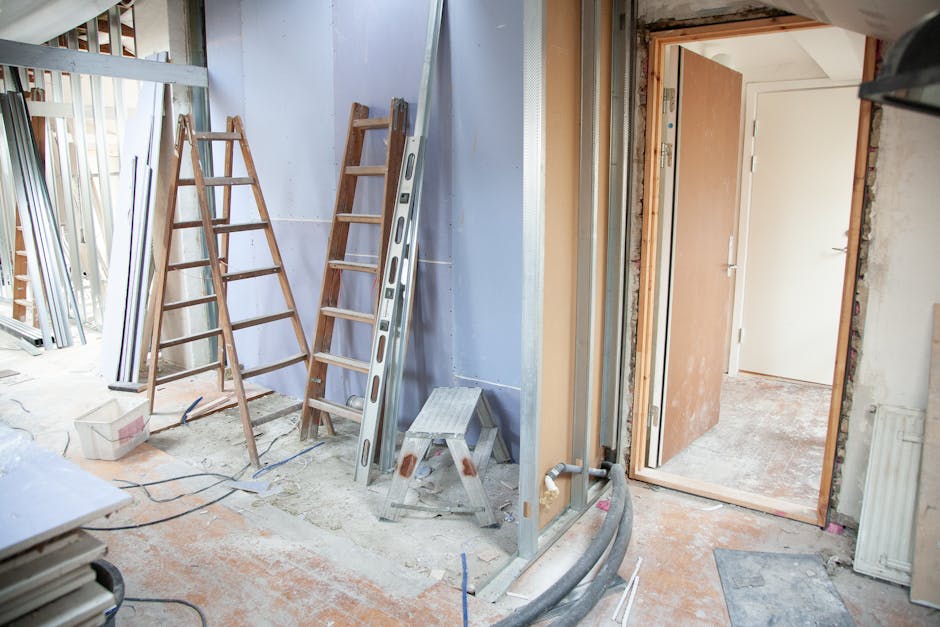
7. Overlooking storage and material protection
When preparing for renovations, it’s vital to think about storage alternatives and material safety.
Damage from improper storage
Overlooking proper storage can result in damage to materials and delays due to needing replacement items. Unprotected items can warp, stain, or deteriorate, leading to increased costs.
Weather-related risks
Additionally, if materials are not stored in a safe area, they may be vulnerable to the elements. Taking precautions to protect your investment from weather-related damage is key to maintaining quality and ensuring smooth progress.
Keeping the site organized
An organized worksite promotes effective communication and seamless workflow. Adequate storage solutions contribute to a more efficient remodeling process, minimizing the likelihood of costly errors or delays.
8. Neglecting waste management strategy
Failing to implement a robust waste management strategy will only complicate your renovation process.
Poor coordination of material disposal
Without a clear waste management plan, you may struggle with how to dispose of materials properly. This can delay your project while contributing to environmental waste.
Missed recycling opportunities
Additionally, understanding how to recycle elements of your project can be beneficial. Many materials can be reused or recycled, reducing costs while also benefiting the environment.
Keeping your renovation on track from start to finish
An organized job site plays a major role in preventing delays and budget overruns. Consistent waste removal and structured debris management help maintain workflow, protect workers, and keep timelines intact. Proper junk removal is not just about cleanliness, it’s a strategic way to avoid costly home renovation mistakes to avoid that can derail your project.
Successful renovations come down to preparation, discipline, and the right support team. While challenges are inevitable, understanding the most common home renovation mistakes to avoid allows you to plan proactively rather than react under pressure. Careful budgeting, realistic timelines, and clear communication all work together to protect your investment and maximize long-term value.
One of the smartest decisions you can make is partnering with experienced professionals who help eliminate preventable setbacks. For homeowners seeking dependable junk hauling services, Buendia Demolition provides efficient, timely debris removal that keeps renovation projects clean, organized, and moving forward.
With the right planning and the right team, your renovation doesn’t have to be stressful. Avoid the most expensive home renovation mistakes, stay organized from day one, and turn your remodeling project into a smooth, value-building investment.