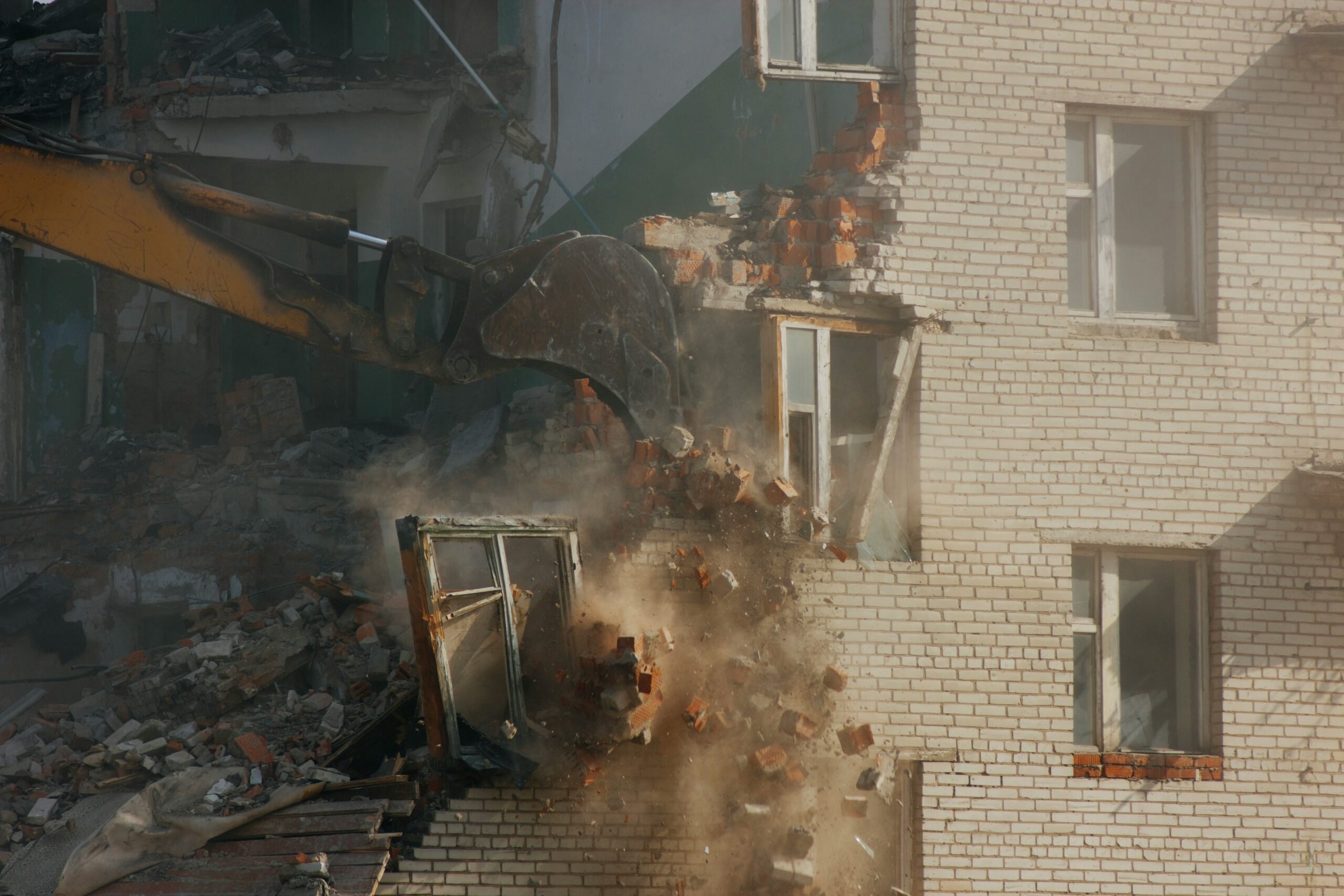
Demolition is often viewed as a straightforward process focused on removing structures to make way for new development. In reality, a successful building demolition project involves much more than heavy equipment and structural removal. From permitting and safety requirements to environmental regulations and budget management, demolition requires careful planning, coordination, and expertise.
Whether the goal is site redevelopment, commercial expansion, or residential reconstruction, understanding the challenges that can arise during a building demolition project helps property owners, developers, and contractors avoid costly delays and unexpected complications.
Why proper planning matters
Every demolition project begins long before the first wall comes down.
A well-planned building demolition project includes site evaluations, permit applications, safety assessments, waste management strategies, and coordination with local authorities. Overlooking any of these elements can lead to delays, increased costs, and compliance issues.
By identifying potential obstacles early, project teams can develop strategies that keep demolition activities efficient, safe, and compliant with local regulations.
Permitting and regulatory requirements
One of the first challenges many property owners encounter involves obtaining the necessary permits and approvals.
Understanding local regulations
Demolition activities are subject to local building codes, environmental regulations, and zoning requirements. These regulations vary depending on the location, property type, and scope of work.
Before beginning a building demolition project, it is important to understand all applicable requirements to avoid fines, work stoppages, or legal complications.
Securing permits
Obtaining permits can sometimes take longer than expected.
Municipal agencies may require documentation such as site plans, environmental reports, utility disconnection confirmations, and safety protocols before issuing approval.
Working with experienced demolition professionals can help streamline this process and reduce administrative delays.

Safety challenges during demolition
Safety remains one of the most important considerations throughout any demolition operation.
Protecting workers
Demolition sites often involve risks associated with heavy machinery, unstable structures, elevated work areas, and debris.
Proper training, personal protective equipment, and established safety procedures are essential for reducing accidents and protecting workers throughout the project.
Protecting nearby properties and the public
Safety responsibilities extend beyond the job site.
A successful building demolition project requires measures that protect neighboring properties, pedestrians, and nearby businesses. Temporary fencing, designated safety zones, traffic management plans, and clear communication all contribute to maintaining a secure environment.
Environmental considerations
Modern demolition projects must balance efficiency with environmental responsibility.
Material recycling and recovery
Many building materials can be recycled rather than sent directly to landfills.
Concrete, steel, wood, asphalt, and other materials can often be processed and reused in future construction projects. Incorporating recycling efforts into a building demolition project helps reduce environmental impact while potentially lowering disposal costs.
Hazardous material identification
Older structures may contain hazardous materials that require specialized handling.
Examples include:
- Asbestos
- Lead-based paint
- Mold
- Contaminated soil
- Chemical residues
Identifying these materials before demolition begins is critical for protecting workers, complying with regulations, and preventing environmental contamination.
Dust and air quality management
Dust control is another important environmental concern.
Without proper mitigation measures, airborne particles can affect neighboring properties and create health concerns. Water suppression systems, debris containment methods, and site monitoring are commonly used to minimize these impacts.

Managing noise and community concerns
Demolition activities inevitably generate noise, vibration, and temporary disruptions.
Reducing noise impact
Heavy machinery, structural removal, and debris processing can create significant noise levels.
To minimize disruption, contractors often schedule high-noise activities during approved working hours and implement strategies that reduce impacts on surrounding communities.
Maintaining community communication
Clear communication helps prevent misunderstandings and complaints.
Providing advance notice regarding project schedules, expected disruptions, and safety measures can help maintain positive relationships with nearby residents and businesses throughout the demolition process.
Budgeting challenges
Financial planning is another critical component of a successful demolition project.
Accurate cost estimation
Creating a realistic budget requires evaluating multiple variables, including:
- Labor
- Equipment
- Permits
- Waste disposal
- Recycling services
- Hazardous material removal
- Site restoration
A comprehensive estimate helps reduce the risk of budget overruns later in the project.
Unexpected expenses
Even the most carefully planned projects can encounter surprises.
Hidden structural conditions, underground obstructions, utility complications, or hazardous materials can increase costs unexpectedly. For this reason, every building demolition project should include contingency funds to address unforeseen circumstances.
Choosing the right demolition contractor
The contractor selected for the project can significantly influence its success.
Experience and qualifications
Not all demolition companies offer the same level of expertise.
When evaluating contractors, consider factors such as:
- Industry experience
- Licensing
- Insurance coverage
- Safety record
- Equipment capabilities
- Previous project history
An experienced team is often better equipped to anticipate challenges and maintain project efficiency.
Regulatory compliance
Compliance with local, state, and federal regulations is essential.
A qualified contractor should understand permitting requirements, environmental standards, safety regulations, and proper waste disposal procedures associated with a building demolition project.
Timeline and scheduling challenges
Demolition projects frequently operate within larger construction schedules.
Permit delays
Permit approval timelines can sometimes extend beyond initial expectations.
Early planning and proactive communication with regulatory agencies can help minimize delays and keep the project moving forward.
Weather conditions
Weather can significantly affect demolition operations.
Rain, high winds, and other adverse conditions may temporarily halt activities or require schedule adjustments to maintain safety.
Coordination with other project teams
Demolition is often only the first phase of a larger development plan.
Effective coordination between demolition contractors, engineers, architects, and construction teams helps ensure a smooth transition into the next stage of the project.
Preparing for a successful demolition project
Every demolition project presents unique challenges, but many risks can be reduced through proper planning, experienced project management, and a commitment to safety and compliance.
Understanding the factors that influence a building demolition project allows property owners and developers to make informed decisions, avoid common pitfalls, and create a stronger foundation for future construction or redevelopment efforts.
Partner with a team you can trust
Successfully completing a building demolition project requires more than equipment and manpower. It demands careful planning, regulatory knowledge, environmental responsibility, and a strong commitment to safety at every stage of the process.
At Buendia Demolition, we bring years of experience, skilled professionals, and proven project management practices to every job. Our team understands the unique challenges that can arise during a building demolition project and works closely with clients throughout Southern California to minimize delays, maintain compliance, and deliver efficient results.
If you’re looking for reliable demolition services in San Diego, Buendia Demolition offers the expertise, equipment, and attention to detail needed to help your project move forward with confidence. From permit coordination and site preparation to safe structural removal and debris management, we provide comprehensive solutions designed to support successful redevelopment and construction projects.