
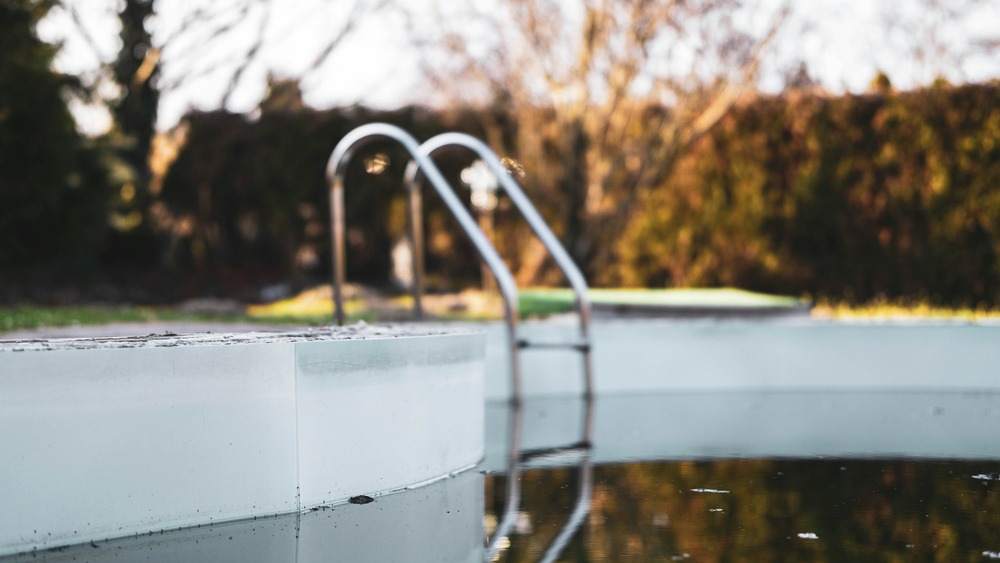
Removing an unwanted swimming pool can change how you use your backyard, but it requires planning, equipment, labor, and debris disposal. Homeowners should understand what goes into the cost of pool removal and why estimates vary.
The cost of pool removal depends on the pool type, size, construction materials, accessibility, permits, disposal requirements, and the condition in which you want the property left afterward. Understanding these variables makes it easier to prepare a realistic budget and compare estimates. Plan carefully.
The type of pool makes a difference
Above-ground and in-ground pools require different demolition methods, so labor and equipment can vary considerably.
Above-ground pools
Above-ground pools are generally simpler to dismantle because the structure is not permanently embedded in the ground. Depending on its construction, the pool may be taken apart and removed in sections.
However, surrounding decks, electrical connections, filtration equipment, concrete bases, or fencing may require additional work. These features should be included when estimating the complete project.
The material, condition, and size of an above-ground pool can influence the cost of pool removal, particularly when attached structures also need removal.
In-ground pools
In-ground pools typically involve more extensive demolition. Concrete, gunite, fiberglass, or other permanent structures must be broken down and handled according to the selected removal method.
For in-ground structures, the cost of pool removal may increase because demolition can involve breaking concrete, removing reinforced materials, hauling heavy debris, and preparing the excavation.
Pool size and construction matter
Pool dimensions are another important consideration. A small backyard pool and a large, deep swimming pool do not require the same amount of time or resources.
A larger pool contains more structural material that must be demolished, transported, and processed. Its depth can also affect excavation and backfilling requirements.
The shape and construction matter as well. Complicated designs, attached spas, raised sections, surrounding concrete, and built-in features can increase the work involved.
Contractors may also consider attached spas, steps, retaining walls, decks, and other structures.

Access to the property can affect the project
The location of the pool can significantly affect the work. If heavy equipment can easily reach the backyard, demolition and debris removal may be straightforward. Narrow gates, walls, landscaping, neighboring properties, or steep slopes can make equipment access more difficult.
Limited access may require smaller machinery, additional labor, or alternative methods for moving demolished materials. These challenges can increase the time required and affect the cost of pool removal.
Before requesting an estimate, consider whether there is a clear route from the street or driveway to the pool. Discussing access can provide a more accurate idea of the cost of pool removal.
Permits and local requirements
Pool removal is not always as simple as demolishing a structure and filling the resulting space. Depending on the property and local requirements, permits, inspections, or specific procedures may be necessary.
In San Diego, homeowners should discuss applicable requirements with their contractor before work begins. The removal method and final condition of the property can determine what approvals or documentation are needed.
Planning for these requirements can help prevent unexpected expenses or delays. A qualified contractor should explain applicable approvals.
Debris disposal is part of the budget
A pool removal project can generate a substantial amount of material. Concrete, metal, fiberglass, soil, plumbing components, decking, and other debris may all need to be handled.
Transportation, landfill charges, recycling, and the type of material being removed can influence the final price. Homeowners should ask whether debris hauling and disposal are included in their estimate.
Because disposal requirements vary, asking about hauling and disposal upfront can provide a clearer picture of the cost of pool removal before approving the project.
Site restoration adds to the scope
Removing the pool is only one stage of the project. Once the structure and debris are removed, the area may need to be filled, compacted, graded, and prepared for its next purpose.
Some homeowners may want a finished surface, landscaping, a lawn, a patio, or another outdoor feature.
The more extensive the final restoration, the more it can contribute to the cost of pool removal. Understanding the cost of pool removal also requires asking whether grading, filling, and landscaping are included. Separating demolition from restoration makes it easier to understand what you are paying for.
What you gain from removing an unwanted pool
Although removing a pool requires an upfront investment, the project can provide practical advantages for homeowners who no longer use their swimming pool.
More usable outdoor space
Removing a pool can create space for landscaping, outdoor entertaining, gardening, play areas, or features that better match your lifestyle.
Less maintenance
Pools require regular cleaning, chemical treatments, equipment maintenance, and repairs. Eliminating an unused pool can reduce the time and money spent maintaining the backyard.
A more flexible backyard
Replacing an unused pool with functional outdoor space can make the property more versatile. The area can be redesigned according to current needs rather than remaining dedicated to a feature that receives little use.
How to compare pool removal estimates
Getting multiple estimates is useful, but comparing only the final dollar amount can be misleading. A complete cost of pool removal estimate should identify the major services included.
Ask each contractor for a detailed breakdown explaining demolition, labor, equipment, debris hauling, disposal, permits, backfilling, grading, and restoration. A detailed estimate can explain differences between quotes.
When reviewing quotes, ask whether specific circumstances could result in additional charges. Understanding potential variables before work begins can help you avoid unexpected costs.

Questions to ask before hiring a contractor
Choosing a qualified contractor is just as important as understanding the price. Before signing, ask about experience with similar pool removal projects.
Confirm appropriate insurance and local compliance. Ask who handles debris, how the site will be filled, and what condition the property will be left in.
Reviews and references can provide insight into communication, reliability, and workmanship. Look for experience with similar projects.
When professional demolition makes sense
Pool removal involves heavy materials, specialized equipment, demolition work, and debris transportation. Handling the project without appropriate equipment can create safety risks and logistical challenges.
If your goal is to remove an old or unused pool and reclaim the backyard, an experienced demolition contractor can simplify the process from demolition through debris removal.
For homeowners searching for demolition service San Diego, Buen Dia Demolition can help with the demolition and removal work involved in transforming an unwanted pool area. A professional team can evaluate the property, determine the equipment and labor required, and handle the heavy work so you can focus on the reclaimed space.
Whether the next step is landscaping, a patio, additional yard space, or a cleaner backyard, professional demolition provides a practical starting point. Getting a detailed assessment is the best way to understand the requirements and create a realistic project plan.
Understanding the cost of pool removal before work begins allows you to account for demolition, disposal, site preparation, and restoration rather than viewing the project as a single expense. With proper planning and the right contractor, removing an unwanted pool can turn an underused part of your property into a space that better fits the way you live.