Planning to tear down a house is a major decision, whether the goal is to build a new residence, redevelop a property, or remove a structure that has reached the end of its useful life. Before work begins, homeowners need a realistic understanding of expenses, timelines, permits, and site conditions. The phrase house demolition cost represents more than the price of bringing a structure down. It can include preparation, equipment, labor, debris hauling, disposal, permits, environmental requirements, and site cleanup. Understanding each component of the house demolition cost makes it easier to create a practical budget and avoid unpleasant surprises.
What does house demolition involve?
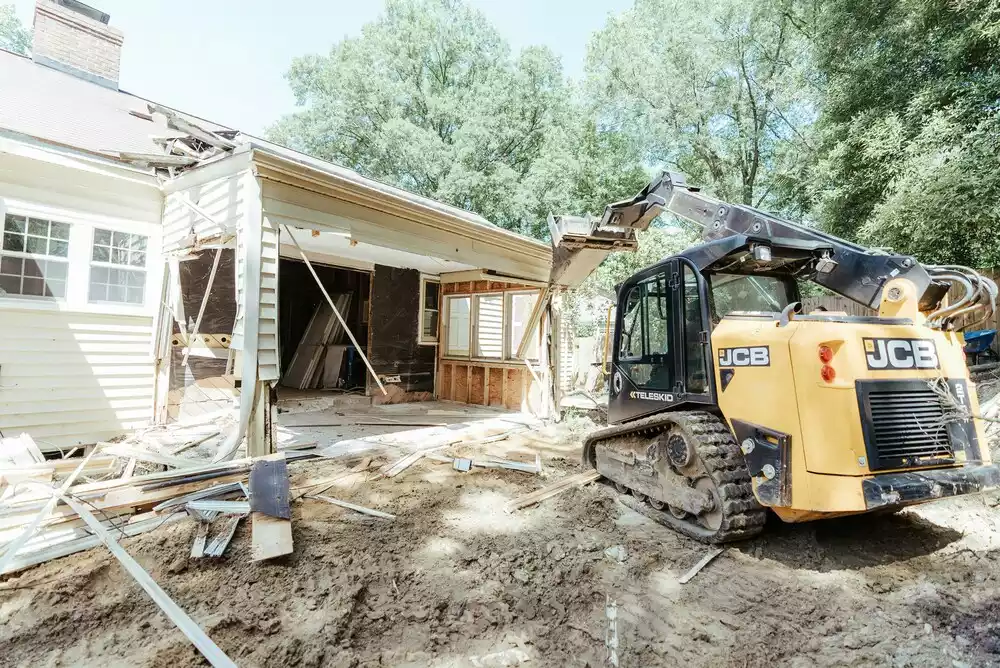
House demolition is a planned construction service. Contractors evaluate the property, identify hazards, consider equipment access, coordinate utilities when required, and establish a safe work plan.
The scope may include a complete teardown or separate structures such as garages, additions, sheds, pools, or concrete areas. Each feature can change labor, equipment, hauling, and disposal requirements.
The initial quote should clearly describe the work required and the condition in which the property will be left.

What affects the house demolition cost?
Size and layout of the property
House size is a major factor. A small, single-story structure generally requires less labor, equipment time, and debris hauling than a large, multi-level home. Complex layouts, additions, narrow areas, and attached structures can also increase the work.
The total house demolition cost can therefore vary substantially between properties that appear similar from the outside. Square footage is useful for an initial estimate, but it is not the only measurement contractors consider.
Construction materials
The materials used to construct a house can have a major effect on demolition requirements. Wood framing may be handled differently from reinforced concrete, brick, masonry, or other heavy materials. Structures containing substantial concrete can require additional machinery and more hauling capacity.
The presence of materials that require special handling can also affect the budget. Older homes may contain asbestos, lead-based paint, or other regulated materials. These materials can affect the house demolition cost and should be evaluated and handled according to applicable requirements rather than treated as ordinary construction debris.
Property access
Access is another important consideration in San Diego. A property with a wide driveway and sufficient space for heavy equipment may be easier to work on than a home located on a narrow street, hillside, or tightly developed lot.
Limited access can affect equipment placement, debris loading, traffic coordination, and the number of trips required to remove material. In some situations, these logistical challenges can increase the house demolition cost even when the structure itself is relatively straightforward.
Permits and local requirements
Demolition projects generally involve permits and local requirements. The process depends on the property’s location, scope, utility status, and other circumstances. Determine required approvals, inspections, and documentation before scheduling work.
Permit fees are only part of the planning expense. Missing paperwork, utility coordination, or other requirements can cause delays, so include them in the budget from the beginning.
How much should you budget?
There is no single price that applies to every San Diego property. Published estimates can provide a starting point, but the house demolition cost should be based on an inspection or detailed evaluation of the specific site.
For example, a smaller home with straightforward access and standard construction may fall toward the lower end of a contractor’s pricing range. A larger property with concrete structures, restricted access, extensive debris, or special material handling can move toward the higher end. These differences are why the house demolition cost should be evaluated on a property-by-property basis rather than copied from a generic estimate.
Rather than relying on a generic online figure, homeowners should request detailed estimates. A useful proposal identifies labor, equipment, debris removal, disposal, permits, and site preparation so competing scopes are easier to compare.
Additional expenses that can change your budget
The base demolition work is only part of the financial picture. Related services may also need to be considered.
Debris removal and disposal
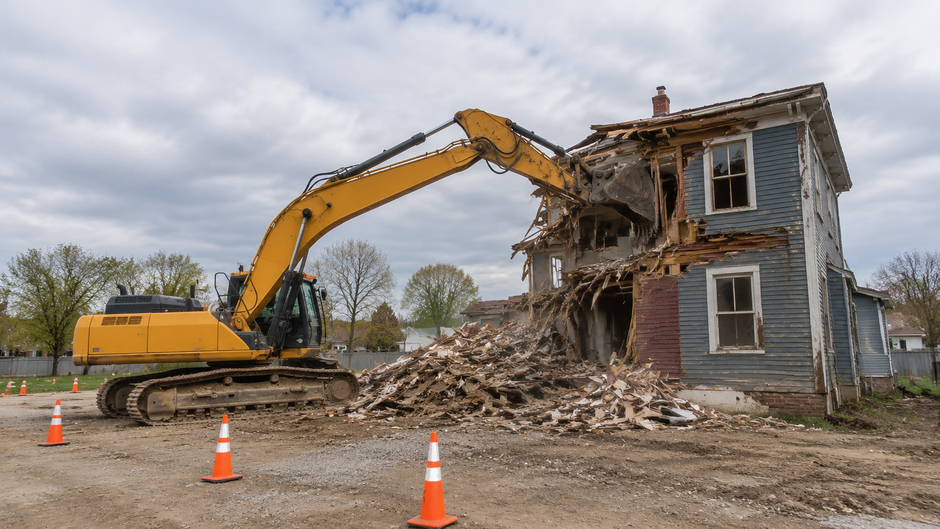
After a structure is dismantled, the resulting material must be loaded, transported, and disposed of or recycled appropriately. The volume and type of debris can influence hauling requirements and disposal charges.
Large amounts of concrete, roofing, wood, metal, or mixed debris may require multiple loads. Confirm whether hauling and disposal are included to prevent unexpected charges.
Hazardous material handling
If inspections identify asbestos, lead, or another regulated substance, specialized procedures may be necessary before conventional demolition can proceed. The cost of this work depends on the material, quantity, location, and required handling process.
Because these materials can present safety concerns, property owners should rely on proper assessment and professional handling rather than attempting removal themselves.
Site cleanup and grading
Once the house is gone, the property may still need cleanup, leveling, or grading. Removing remaining debris and preparing the ground can be especially important if the next phase involves new construction, landscaping, parking, or another development project.
When comparing the house demolition cost between contractors, confirm whether final cleanup is included. A lower quote may be less economical if post-demolition work is excluded.
How to compare demolition estimates
Getting multiple estimates helps you understand pricing and compare project scope, but the cheapest proposal is not automatically the best option.
When reviewing estimates, ask whether the contractor includes permits, equipment, labor, debris hauling, disposal, utility coordination, and cleanup. Ask how unexpected conditions will be handled and whether additional charges could arise if buried concrete, difficult access, or other site complications are discovered.
A detailed proposal can also make the house demolition cost easier to understand because you can see which services are included rather than comparing one total number against another.
When professional demolition services make sense
A full house teardown involves heavy equipment, structural risks, debris management, and logistical planning. Attempting to manage the work without appropriate experience can create safety hazards and may lead to property damage, delays, or disposal problems.
Professional demolition services can coordinate the major stages of the project, from site preparation through demolition and debris removal. Experienced crews can also evaluate access conditions and determine which equipment and techniques are appropriate for the property.
If you are planning a demolition project in San Diego, working with an experienced contractor can make the process more organized. Buendia Demolition & Bobcat Services provides demolition services in San Diego and can help evaluate your site, define the scope, coordinate demolition, and plan cleanup. A project assessment can also help you build a more accurate budget before work begins as planned.
Planning for what comes next
Demolition is often the first step in a larger property improvement plan. Once the structure is removed, the land may be prepared for a new house, addition, commercial project, landscaping, or another use.
Planning the next stage early helps determine cleanup, grading, concrete removal, and disposal needs.
Ultimately, the house demolition cost depends on size, construction, accessibility, materials, permits, debris, and additional services. Detailed estimates and a qualified contractor can help San Diego property owners set clearer expectations and plan a realistic budget.